What to Do Immediately After a Car Accident
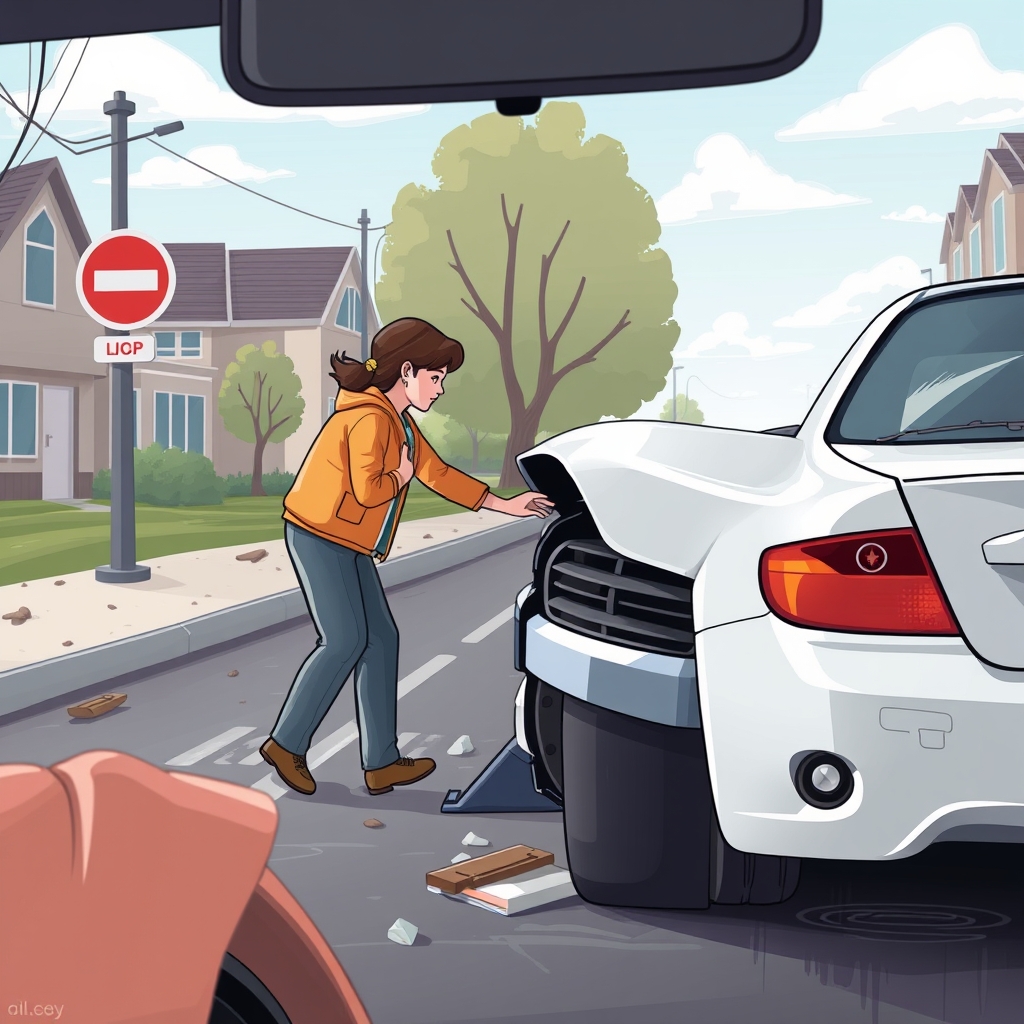
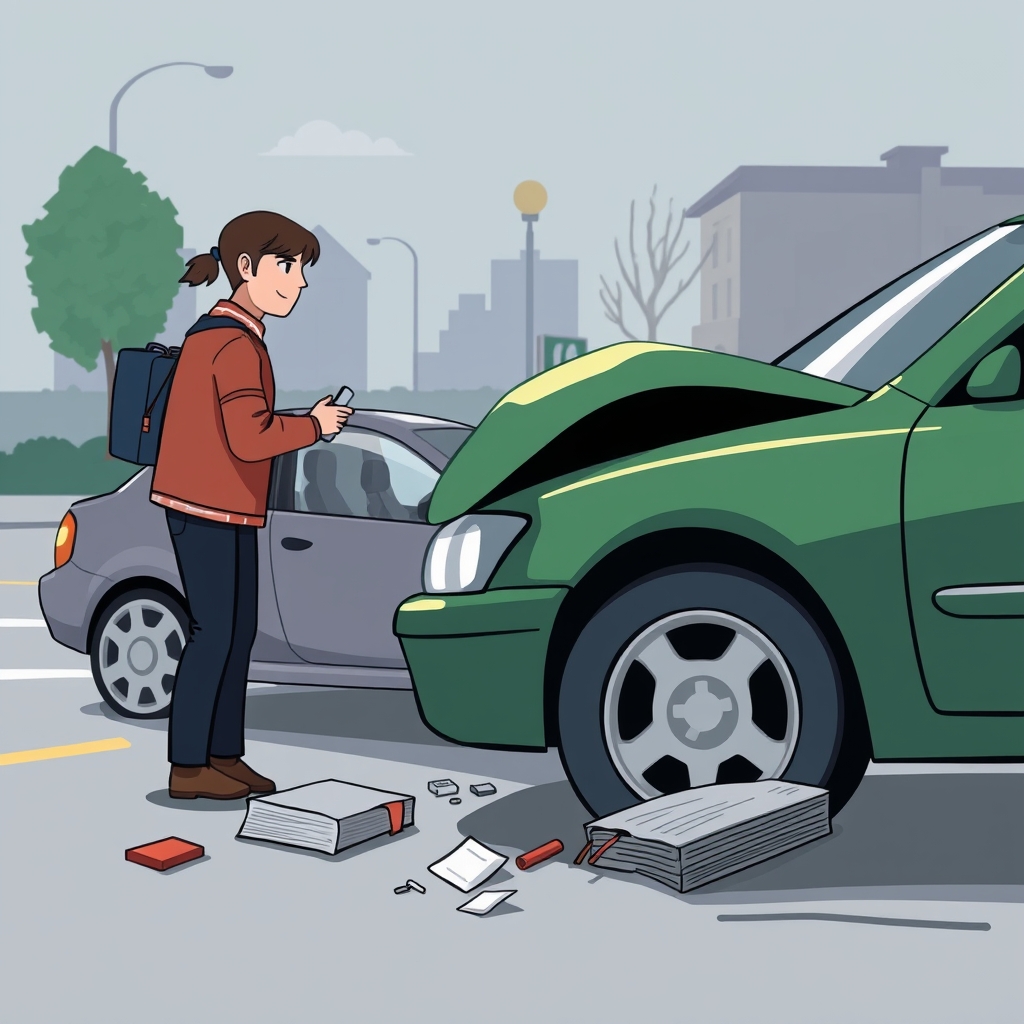
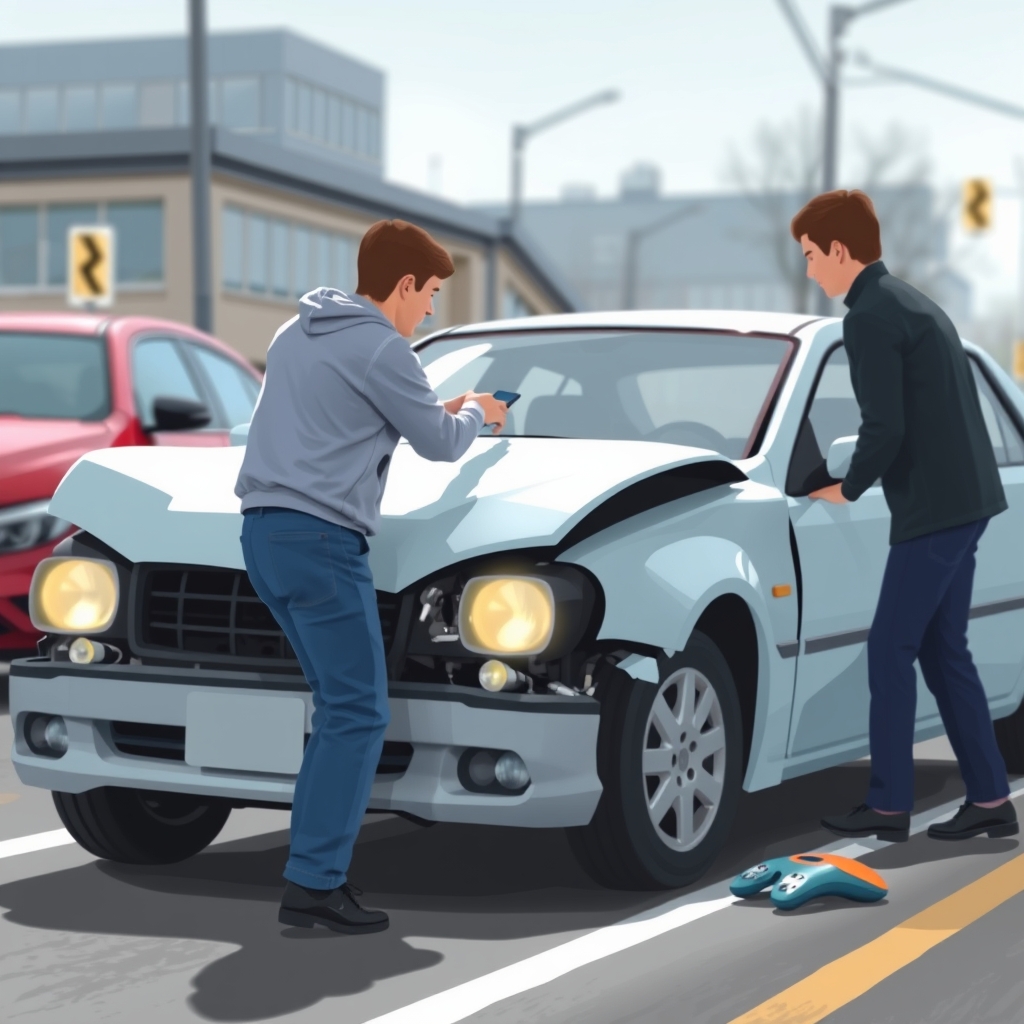
Being involved in a car accident can be overwhelming, but taking the right steps can help protect your rights. First, ensure your safety and check for any injuries. If anyone is hurt, call emergency services immediately. Once safe, document the scene—take photos of vehicle damage and the surrounding area. These details can be invaluable for potential insurance claims or legal proceedings. Exchange information with the other driver involved, including names, contact information, and insurance details. Don’t forget to note the make, model, and license plate number of each vehicle. Witnesses can also provide testimony later if needed, so collect their contact details too. Afterward, contact the police and file an accident report; this can be crucial for your insurance claim. Remember, don’t admit fault or liability at this stage; let the investigation determine that. While this may seem overwhelming, these initial steps form a crucial foundation for any future actions needed. Always consult with a professional attorney to understand your legal rights, as laws can vary widely depending on your location.

Understanding Slip-and-Fall Cases
Slip-and-fall accidents happen unexpectedly, and knowing how to respond can aid in your recovery or claim. These incidents typically occur due to wet floors, uneven surfaces, or inadequate lighting. Documenting what caused the fall is vital—note any visible hazards and take photographs if possible. Seek medical attention even if you feel fine, as some injuries like concussions might not be immediately apparent. Keeping medical records is crucial for your case. Report the incident to the property or store manager and get a written report of the event. This provides a formal record that can support your insurance claims. Remember, each slip-and-fall is unique, with liability often dependent on the specific circumstances, like how long a hazard existed before your fall. Consult with a legal professional who can advise you based on the particulars of your situation and your local jurisdiction's laws. Without expert advice, navigating these complexities can be challenging, and you're always better protected with legal guidance.

How Insurance Claims and Settlements Work
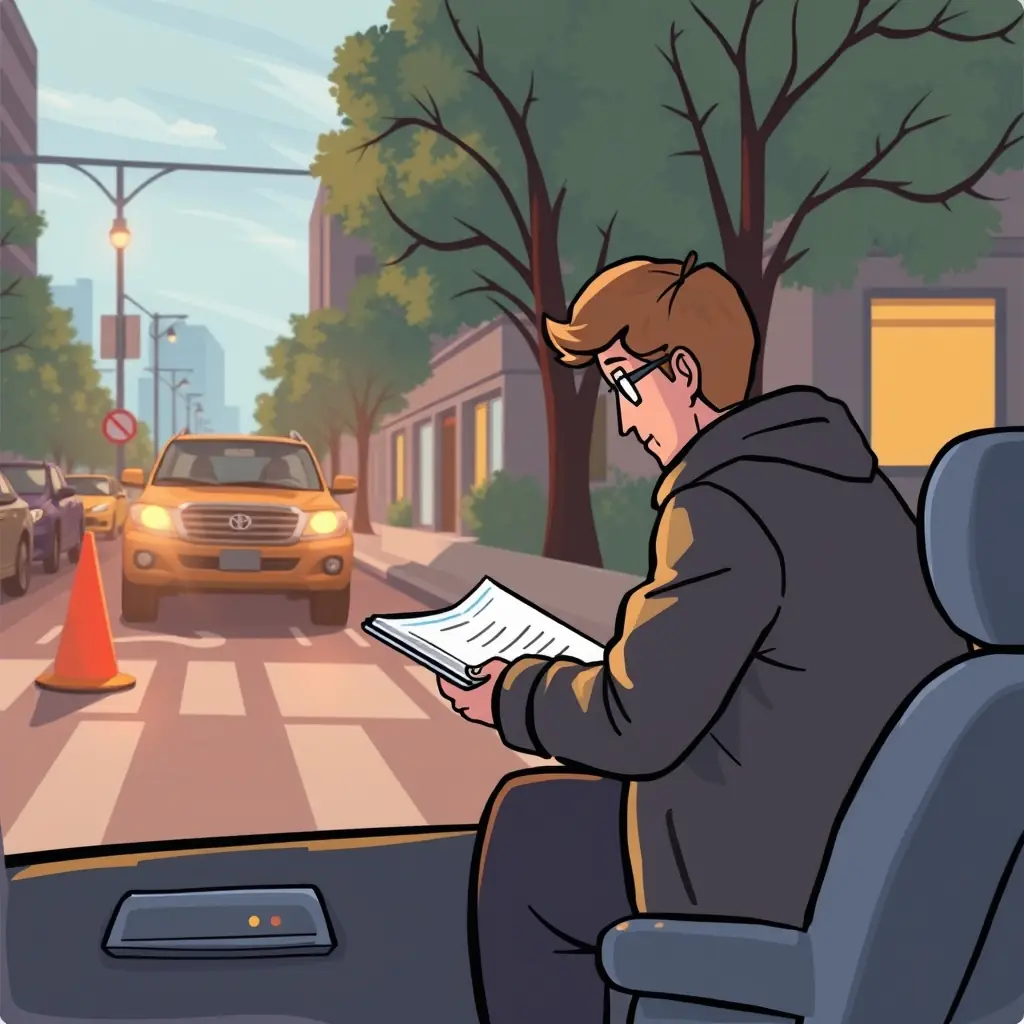
Understanding insurance claims and settlements can help you manage expectations after an accident. After documenting the incident and notifying your insurer, they'll open a file and possibly send an adjuster to assess the situation. Providing your insurer with detailed accident reports and evidence sharpens your claim. Be prepared to relay with precision what transpired. When damage or injury claims are validated, settlement negotiations commence, aiming to cover costs like medical bills, damages, or lost wages. However, never accept the first offer without consulting your records and potentially a legal advisor. They’ll help ensure the settlement reflects true expenses incurred. Recognize that adjusters aim to minimize payouts, but your meticulous documentation bolsters your case. Each claim process varies, influenced by specific insurance policy terms and state laws. Thus, consulting an attorney ensures you understand available options, leading to informed decisions about settlements. Recall, insurance is a business; your vigilance and professional guidance secure rightful compensation.