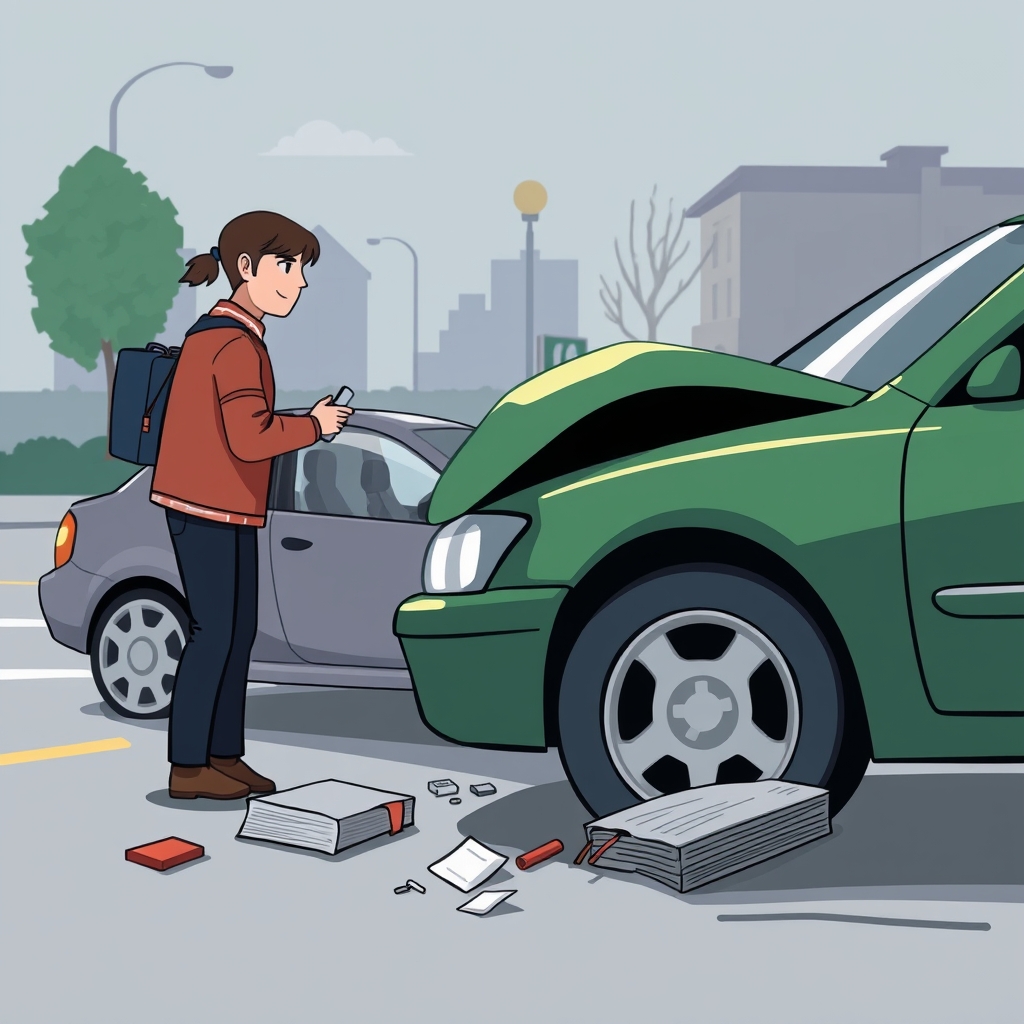

After a Car Accident: Immediate Steps
Finding yourself in a car accident is disorienting, but what you do in the immediate aftermath can significantly impact the outcome of any personal injury claim. First, ensure your safety and the safety of others involved. If it's safe, move vehicles out of traffic. Next, call emergency services, even for minor accidents, since a police report provides crucial documentation. While awaiting authorities, exchange information with the other driver without admitting fault—names, license numbers, insurance details all matter down the line. Another key step is to take photos of the scene, vehicles, injuries, and anything relevant, as these can illustrate the accident's context. Witnesses are invaluable; capturing their statements or contact information can bolster your case. As shock can mask injuries initially, a medical evaluation following the accident is vital—whether symptoms are present or not. Doctors can document issues that manifest later, which are common in personal injury suits. Lastly, notify your insurance company but discuss settlement offers only with a legal professional. Remember, laws vary by state or country, so consult a licensed attorney who specializes in personal injury law for guidance tailored to your location.

Understanding the Basics of Slip and Fall Cases
Slip and fall incidents may seem straightforward, but they often involve complex legal landscapes that vary by location. The foundation of these cases hinges on proving negligence, which typically requires demonstrating that the property owner failed to maintain safe conditions. In such situations, thorough documentation is your ally. If you experience a fall, report the incident to the property owner or manager immediately. Incident reports serve as the first piece of evidence. Photographic proof of hazardous conditions—like wet floors without signs or uneven surfaces—is crucial. Witness testimonies can also reinforce your claims. Seeking immediate medical attention not only ensures your well-being but provides documentation of injuries connected to the fall. Retain all medical records and treatment receipts, as these will play a central role in your case. Insurance companies might approach you with settlement offers; however, these should be reviewed with a knowledgeable attorney. Personal injury law differs state to state, so understanding local regulations is necessary. An attorney can help determine liability and navigate negotiations for fair compensation. Be proactive about your rights and the evidence needed to support your claim for the best chance of a successful outcome.

Insurance Claims and Settlements: A General Overview
The intricacies of insurance claims and settlements in personal injury cases can baffle anyone unfamiliar with the process. After an accident or injury, notifying your insurance insurer promptly is crucial. When filing a claim, include detailed accounts of the incident, photographic evidence, and all pertinent medical records. These help substantiate your claim and start the settlement process. Adjusters from insurance companies will investigate and assess the validity and extent of your claim. They often make initial settlement offers that may be lower than anticipated. Understanding this is part of the negotiation process is essential. Accepting an offer without proper evaluation may leave you undercompensated for injuries, ongoing care, or property damage. State-specific laws govern how claims are processed, including timelines and appeal rights. Therefore, having legal counsel to interpret these regulations ensures you navigate effectively through any potential hurdles. A licensed attorney will aid in negotiating settlements that accurately reflect the scope of damages and support your recovery journey. Always remember, local laws significantly impact personal injury cases; therefore, verifying with and consulting legal professionals is advisable for every case.