First Things First: Safety and Health
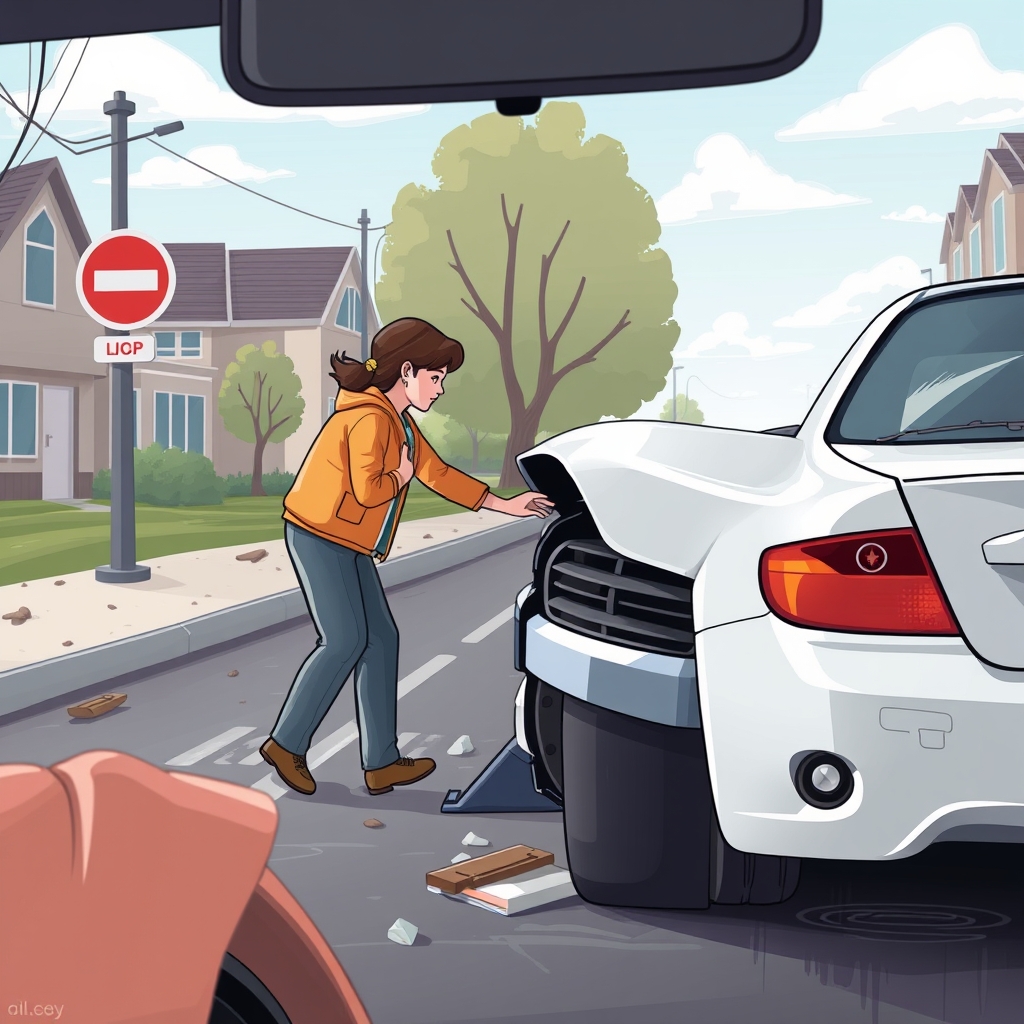
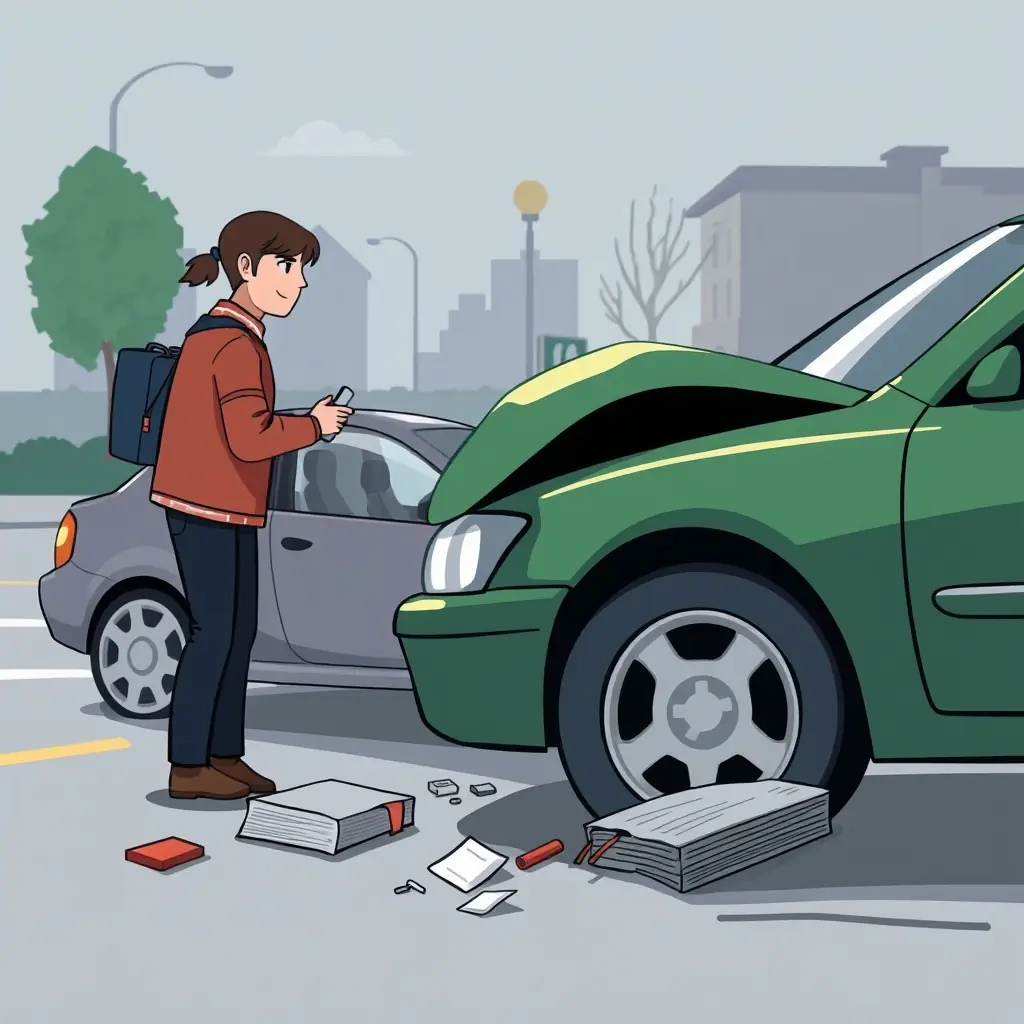
When you're involved in a car accident, the first minutes are crucial. Your priority should always be ensuring the safety of everyone involved. Start by checking yourself and your passengers for injuries. Even if you feel fine, remember that shock can mask pain. If anyone is injured, call emergency services immediately. Regardless of injury, it's wise to report the accident to the police. This ensures there is an official report, which can be crucial for insurance claims later. If the vehicles are driveable and it's safe, move them out of traffic to prevent further incidents. Turn on your hazard lights to alert other drivers of the obstacle. After that, exchange information with the other driver, including names, addresses, phone numbers, driver's licenses, car registrations, and insurance details. Taking photos of the scene, the damage, and any road conditions can be helpful for documentation too. When discussing the accident with anyone, especially the authorities, be factual and avoid admitting fault on the scene as this is something best left to the insurance companies to determine. Depending on your location, specific steps might vary, so it's critical to be familiar with local laws and consult a licensed attorney for specific advice.

Understanding Insurance Claims
Filing an insurance claim can seem daunting, but knowing what to expect ahead of time simplifies the process. Right after the accident, notify your insurer. Most insurance companies have mobile apps or hotlines that allow for quick reporting. It's essential to be direct and honest with your insurance provider about the events that occurred, and while cooperation is necessary, don't feel pressured to provide recorded statements without consulting your attorney. Gather and organize all necessary documents such as the police report, medical records, repair estimates, and any correspondence with other parties involved. These documents support your claim and help reduce delays. Once your claim is submitted, an adjuster will assess the damages and guide the next steps. Remember, settlements can take time, and initial offers might not cover all expenses. Reputable attorneys play a significant role by negotiating the settlement to ensure fair compensation while considering local laws, which vary significantly. Always check with a legal expert to understand what is specifically required in your jurisdiction.

The Importance of Proper Documentation
In the world of personal injury claims, documentation is king. If you hope to build a solid case or simply streamline your insurance claim, keeping detailed records is key. Start with the police report, which is a critical piece of official documentation. Continue by organizing medical treatment records, including diagnoses, therapies, and bills. Keep a diary of your injuries and recovery progress. This might include photos of physical injuries, a journal of your symptoms, and notes on how the accident has impacted your daily life. This documentation is invaluable in demonstrating the extent of your injuries and their impact. When dealing with insurance companies and legal entities, this comprehensive record can dramatically affect the outcome of your claim. It's also important to track all out-of-pocket expenses related to the accident, like prescription costs, transportation for medical treatments, or even extra childcare incurred due to your condition. Start collecting these documents early, and consult a licensed attorney to understand what's necessary in your state or country's legal context. Thorough and well-organized documentation not only supports your case but also helps expedite the claims process when teams of adjusters and legal representatives evaluate your situation.