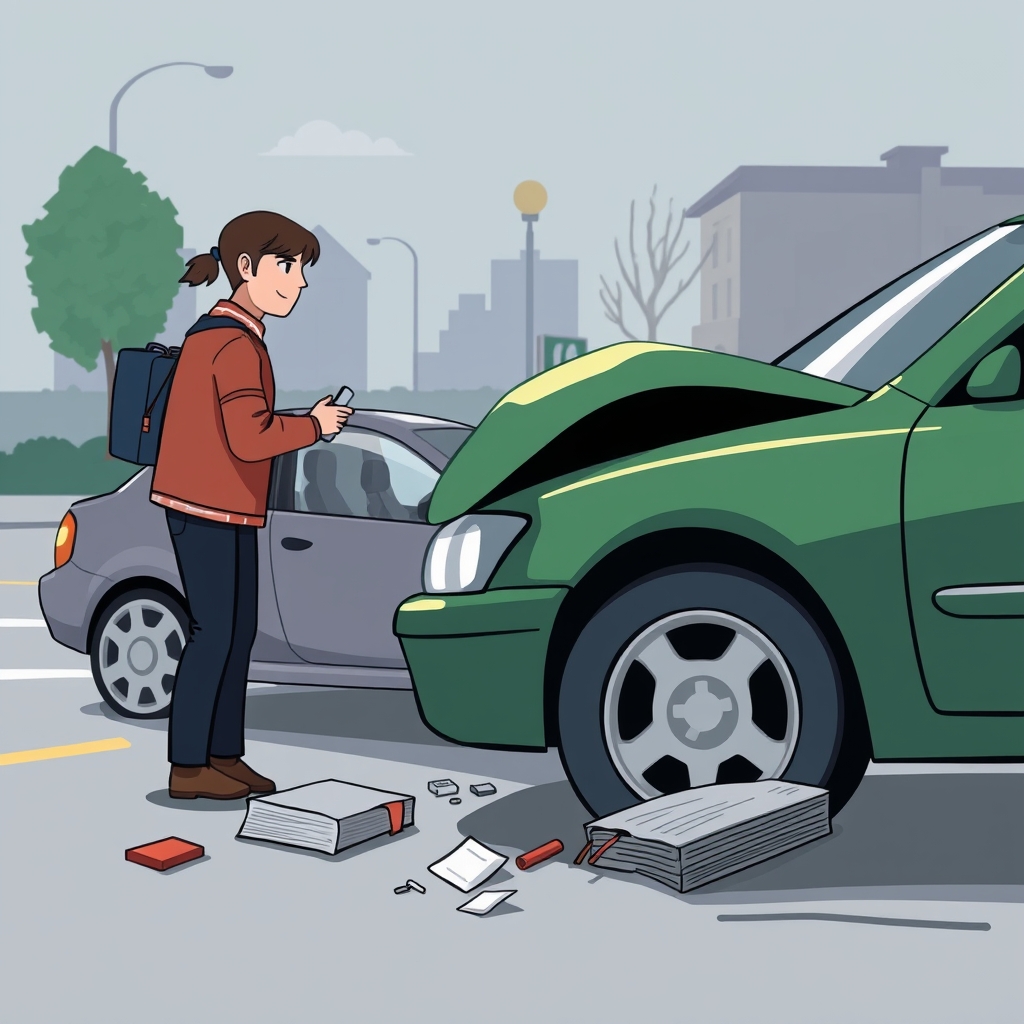

Immediate Actions Post-Accident
Getting into a car accident is a jarring experience, but taking the right steps immediately after can make a world of difference. First and foremost, ensure everyone's safety. If possible, move vehicles out of traffic and turn on hazard lights. Check for injuries and call first responders if needed—they have the training to handle the situation efficiently. Once safety is secured, exchange information with the other driver(s), including names, contact info, and insurance details. This exchange is crucial for any future insurance claims. Document everything: take photos of the vehicles, any injuries, and the scene, noting skid marks, weather conditions, and even road signs. This evidence becomes invaluable if there are disputes later. Witnesses can also play a pivotal role, so gather their contact information if possible. Lastly, report the accident to the police. A police report provides an official account that can clarify fault and serve as a vital piece of documentation. Keep in mind that laws and procedures can differ by region, so it's beneficial to familiarize yourself with local regulations. Consulting a licensed attorney can be crucial, as they can offer guidance tailored to your situation.

Understanding Slip-and-Fall Basics
Slip-and-fall incidents are more common than one might think, and knowing the basics can help should you ever find yourself in such a situation. These accidents typically occur due to hazards like wet floors, uneven surfaces, or poor lighting in public or private spaces. The primary focus should be on ensuring your safety and seeking medical attention if needed. Document the scene meticulously: take photos of where the fall occurred, noting the hazard that caused it, whether that's a spilled liquid or an uneven carpet. Make a record of your symptoms and any medical visits, as this can serve as evidence if you decide to pursue a claim. Report the incident to the property owner or manager, creating an official record of the fall. Collecting witness statements, if available, strengthens your account and provides additional credibility. Always be aware that slip-and-fall laws vary significantly depending on jurisdiction, affecting liability and the nuances of what constitutes negligence. Understanding these legal distinctions can be complex, which is why consulting with a physical injury lawyer is highly recommended. They can provide the nuances and advice specific to your location and case circumstances.

Navigating Insurance Claims and Settlements
Filing insurance claims after an accident can seem daunting, but understanding the process can simplify it significantly. Start by notifying your insurance company about the incident as soon as possible, as delayed claims can lead to complications. Be honest and detailed in your account; providing incomplete information can hinder your claim. Keep all accident-related documents organized, such as police reports, medical bills, repair estimates, and any correspondence with insurers. These documents are the backbone of your claim, supporting your case for compensation. During negotiations, it's critical to keep in mind that insurance agencies aim to minimize payouts, so being clear about your rights is essential. Know your policy's specifics and don't accept a settlement without reviewing it thoroughly; a hasty agreement may not cover your full expenses. Again, laws governing settlements and insurance claims vary widely, and having the guidance of a licensed attorney can prove invaluable. They can advocate for your rights, helping to secure a fair settlement that aligns with local legal standards. Your situation is unique, and adapting these general guidelines to it with professional help ensures you're on the right track.